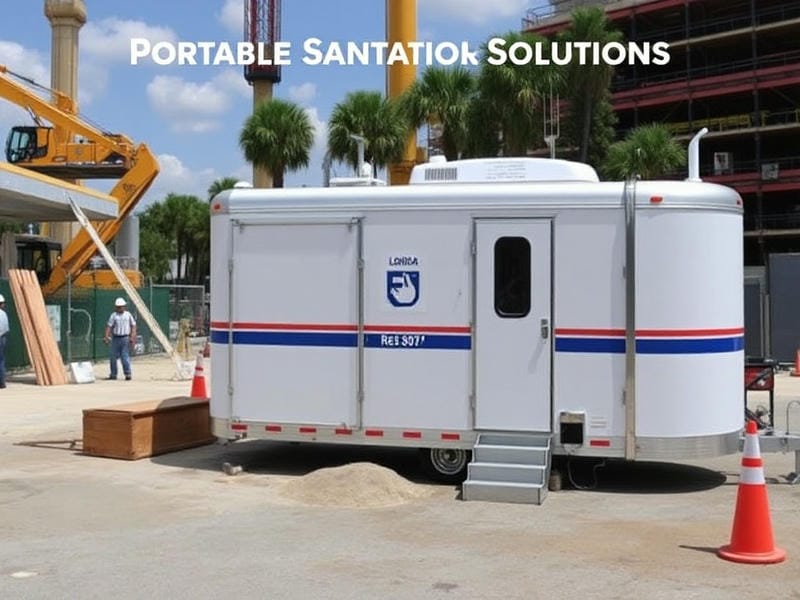
In recent years, the significance of sustainable practices has gained traction across various sectors, and the events industry is no exception. The Importance of Reducing Waste at Events cannot be overstated, as these gatherings often generate substantial waste that contributes to environmental degradation. Embracing sustainable waste solutions not only enhances an event's reputation but also aligns with the growing global commitment to preserving our planet for future generations.
Events, whether they are corporate conferences, music festivals, or community fairs, tend to produce a significant amount of waste. From disposable food containers and plastic bottles to promotional materials and decorations, the sheer volume can be overwhelming. Portable sanitation services are designed to meet diverse customer needs. Gainesville portable restroom company blog. This not only results in increased landfill usage but also heightens carbon footprints due to the energy used in waste management processes. Therefore, a concerted effort towards reducing waste is crucial in mitigating these negative impacts.
One pivotal aspect of understanding sustainable waste solutions for events lies in effective planning and collaboration. Event organizers must work hand-in-hand with vendors, sponsors, and attendees to create a comprehensive waste reduction strategy. This involves setting clear goals for minimizing non-recyclable materials and promoting recycling initiatives throughout the event lifecycle.
Implementing practical measures such as providing adequate recycling bins clearly labeled with instructions increases attendee participation in waste segregation efforts. Additionally, encouraging the use of reusable items-such as water stations instead of single-use plastic bottles-can significantly cut down on unnecessary waste production. Educating attendees about the environmental benefits of these practices through signage or digital communication further reinforces their importance.
Moreover, partnering with local organizations focused on sustainability can enhance an event's green credentials while benefiting the community economically and socially. Collaborations could include sourcing locally-produced goods to reduce transportation emissions or working with charities to distribute leftover food responsibly rather than discarding it.
Evaluating an event's success in minimizing its environmental impact is another essential component of sustainable planning. Post-event analysis helps identify areas for improvement and ensures continuous learning from each experience. Gathering data on waste volume before and after implementing new strategies provides valuable insights into what works effectively; this information can then inform future events' sustainability agendas.
Ultimately, reducing waste at events reflects broader societal shifts toward eco-consciousness-a movement vital for combating climate change globally. As stakeholders increasingly prioritize environmentally responsible choices when organizing or attending gatherings, those who adopt innovative sustainable solutions will stand out positively within this evolving landscape.
In conclusion, addressing The Importance of Reducing Waste at Events through understanding sustainable approaches goes beyond mere compliance-it represents a proactive step toward safeguarding our environment while setting industry standards higher than ever before. By committing collectively towards greener practices today we ensure healthier ecosystems tomorrow: proving once again why every action counts when striving toward lasting positive change worldwide!

In the age of increasing environmental awareness, the quest to minimize waste generation at events has become a paramount concern for organizers and participants alike. Understanding sustainable waste solutions is not just about reducing the environmental footprint; it is also about enhancing the overall experience for attendees and setting a standard for future gatherings. As we delve into strategies for minimizing waste at events, it's crucial to consider both practical approaches and innovative ideas that can pave the way toward a more sustainable future.
One of the cornerstone strategies in minimizing waste generation is effective planning. The journey towards a zero-waste event begins long before the first guest arrives. It involves meticulous foresight and collaboration with suppliers, vendors, and stakeholders to ensure that every aspect of an event is aligned with sustainability goals. This means choosing venues that support recycling initiatives, using digital invitations instead of paper ones, and encouraging carpooling or public transport among attendees.
Moreover, selecting eco-friendly materials plays a significant role in waste reduction. For instance, opting for reusable or compostable utensils, plates, and cups can drastically cut down on single-use plastics which often end up in landfills. Event organizers can also seek partnerships with local farms or businesses to provide locally sourced food options served in minimal packaging-thus supporting both sustainability and community engagement.
Another effective strategy lies in implementing comprehensive recycling programs on-site. This involves not only providing clearly marked recycling bins but also educating attendees on proper disposal practices through signage or announcements throughout the event. Additionally, staff should be trained to assist guests in sorting their waste correctly-a small effort that can lead to significant reductions in landfill contributions.
To further enhance sustainability efforts, technology offers a plethora of innovative solutions. Event apps can replace printed brochures and schedules while providing real-time updates directly to attendees' smartphones. Furthermore, utilizing QR codes can offer instant access to information without any physical waste involved.
Encouraging participation from all stakeholders is essential as well. Engaging guests through interactive workshops or panels focused on sustainability topics can inspire them to adopt eco-friendly habits beyond the event itself. Providing incentives like discounts for those who bring their own reusable containers or participate in clean-up activities fosters a culture of responsibility and active involvement.
At its core, understanding sustainable waste solutions for events necessitates a shift in mindset-from viewing waste management as an afterthought to recognizing it as an integral component of successful event planning. By employing strategies that prioritize thoughtful consumption and responsible disposal practices, events can become powerful platforms for promoting environmental stewardship.
Ultimately, creating low-waste events requires dedication and creativity but offers immense rewards-not just environmentally but socially too-by leading by example and inspiring others within our communities to follow suit toward more sustainable living practices well beyond each individual gathering.
Choosing the right portable restroom rental service is a crucial step in ensuring effective eco-friendly waste management, especially for events or construction sites where environmental impact is a growing concern.. With an increasing emphasis on sustainability, it's important to consider several factors that will not only meet your immediate needs but also align with broader ecological goals. First and foremost, assess the company's commitment to sustainability.
Posted by on 2024-10-14
In recent years, the adoption of environmentally friendly practices has become increasingly important for businesses and event organizers worldwide.. One specific area where this shift towards sustainability is becoming more evident is in the choice of portable restrooms.
Posted by on 2024-10-14
As global awareness of environmental issues continues to grow, the management of festival waste has emerged as a critical area for innovation.. Festivals, beloved for their celebration of music, culture, and community, are also notorious for generating enormous amounts of waste.
Posted by on 2024-10-14
In recent years, the global dialogue on sustainability has increasingly emphasized the importance of waste management, a critical component in our quest to preserve natural resources and protect the environment.. Among various aspects of waste management, portable restrooms have emerged as an innovative frontier, offering significant opportunities for sustainable development. Traditionally perceived as mere conveniences at outdoor events or construction sites, portable restrooms are being reimagined through the lens of sustainability.
Posted by on 2024-10-14
As the global community becomes increasingly aware of environmental issues, the demand for eco-friendly sanitation solutions is on the rise.. This shift towards sustainable waste management practices is not only necessary to combat climate change but also beneficial for public health and resource conservation.
Posted by on 2024-10-14
Implementing effective recycling programs at events is a crucial step towards sustainable waste management and environmental responsibility. As our society becomes increasingly aware of the environmental impact of waste, event organizers face both an opportunity and a challenge to make their gatherings more sustainable. Understanding sustainable waste solutions for events involves not only recognizing the importance of recycling but also executing it effectively.
To begin with, successful recycling programs require careful planning and foresight. Event organizers need to assess the potential waste generated by their events comprehensively. This includes identifying the types of materials that will be used, from food packaging to promotional materials, and determining which of these can be recycled. By conducting an initial waste audit, organizers can tailor their recycling strategies to meet specific needs, ensuring efficiency and reducing contamination in recycling streams.
Education plays a pivotal role in implementing effective recycling programs. Attendees often come from diverse backgrounds with varying levels of awareness about sustainability practices. Clear communication is essential to guide them in correctly sorting their waste during events. This could be achieved through informative signage positioned strategically around the venue or through digital communications prior to the event. Additionally, having staff or volunteers available to assist and educate attendees can significantly enhance compliance with recycling efforts.
Moreover, partnerships with local waste management companies are invaluable in establishing robust recycling systems at events. These partnerships ensure that collected recyclables are properly processed after the event concludes. They can also provide insight into best practices and offer resources such as bins or collection services tailored specifically for large gatherings.
Another key element is integrating technology into recycling initiatives. Innovative solutions like smart bins equipped with sensors can optimize waste collection by alerting staff when they need servicing, thus preventing overflow and potential contamination issues. Mobile apps that guide participants on how to dispose of different types of waste can further streamline the process.
Furthermore, incentivizing recycling can drive higher participation rates among attendees. Implementing reward systems or competitions related to waste reduction encourages engagement and creates a culture of sustainability within the event environment.
Finally, post-event evaluation is critical for continuous improvement in sustainability practices. Organizers should analyze data collected during the event regarding volume and type of recyclables gathered versus non-recyclable waste produced. This information provides valuable insights into what worked well and what areas need enhancement for future events.
In conclusion, implementing effective recycling programs as part of understanding sustainable waste solutions requires comprehensive planning, education efforts, strategic partnerships, technological integration, incentivization strategies, and thorough post-event analysis. By focusing on these elements collectively rather than individually isolated components-event organizers not only contribute positively towards environmental conservation but also set an example for others within their industry on how responsible stewardship over natural resources looks like today-and ultimately helps pave way forward toward greener future we all envision together!

In recent years, the mounting concern over environmental sustainability has prompted a closer examination of waste management practices, particularly in contexts where significant waste is generated, such as events. Among the various strategies available for sustainable waste management, composting emerges as a compelling solution for organic waste. This essay explores how composting can be effectively utilized within the framework of events to foster sustainable waste solutions.
Events often produce considerable amounts of organic waste through food leftovers, paper products, and biodegradable materials. Traditionally, this waste would end up in landfills, contributing to greenhouse gas emissions and resource depletion.
Implementing composting at events begins with careful planning and education. Event organizers must collaborate with vendors to ensure that materials used are compostable or recyclable. Additionally, educating attendees about proper disposal practices is crucial; clear signage and accessible compost bins encourage participation and minimize contamination.
During the event, designated teams can oversee the collection process to ensure that organic waste is separated efficiently. Post-event analysis further helps in refining the system by identifying challenges encountered during implementation and finding ways to mitigate them in future occurrences.
The benefits of incorporating composting into event planning are manifold. First and foremost, it significantly reduces the volume of waste sent to landfills. By converting organic matter into nutrient-rich soil amendments, composting closes the loop on resource utilization-returning nutrients back to the earth rather than allowing them to contribute to landfill mass and methane production.
Moreover, compost produced from event-generated organic waste can serve local agricultural needs or be used in community gardens; thus fostering a circular economy model that benefits local communities both environmentally and economically.
In conclusion, adopting composting as a solution for managing organic waste at events represents an essential step towards more sustainable practices. Through strategic planning and educational efforts aimed at all stakeholders involved-from vendors to attendees-composting can transform potential environmental liabilities into assets. As awareness continues to grow around sustainable living practices, integrating such solutions will not only reduce our ecological footprint but also pave the way for greener gatherings worldwide.
In today's rapidly evolving world, the call for sustainability echoes across industries, urging organizations to adopt practices that minimize environmental impact. The events industry, known for its significant waste generation, is no exception. One of the most effective strategies for promoting sustainability in this sector is partnering with vendors and suppliers who share a commitment to sustainable waste solutions. Through collaborative efforts, event organizers can not only reduce their ecological footprint but also set a standard for responsible practices.
At the heart of sustainable waste management in events lies the selection of conscientious partners-vendors and suppliers who prioritize eco-friendly processes and materials. These partnerships begin with transparent communication about environmental goals. Event organizers must clearly articulate their sustainability objectives when engaging potential partners. By doing so, they ensure alignment in values and expectations from the outset, fostering a cooperative relationship aimed at minimizing waste.
Vendors and suppliers play a crucial role in this ecosystem by offering innovative solutions that address common challenges associated with event waste. For instance, catering services can provide compostable or reusable utensils and containers instead of single-use plastics. Similarly, audiovisual companies might employ energy-efficient equipment or offer digital alternatives to paper-based materials. By choosing partners who innovate responsibly, event organizers can significantly reduce landfill contributions while enhancing the overall sustainability profile of their events.
Furthermore, these partnerships often extend beyond mere transactions; they become collaborations that drive change within the industry. As vendors and suppliers adapt to meet sustainable demands, they influence others within their network to follow suit. This ripple effect encourages widespread adoption of greener practices not only during specific events but throughout the entire supply chain.
Another critical component of successful partnerships is education and empowerment. Vendors and suppliers equipped with knowledge about sustainable practices can educate event staff and attendees on proper waste sorting and reduction techniques. This shared understanding promotes active participation in achieving sustainability goals, creating a culture of environmental responsibility among all stakeholders involved.
Moreover, these collaborations open avenues for innovation as vendors and suppliers strive to develop new products or improve existing ones to meet evolving standards of sustainability. Such innovations often lead to cost-saving measures through resource efficiency or reduced disposal fees-benefits that are passed on to event organizers as well as end consumers.
In conclusion, partnering with vendors and suppliers for sustainable waste solutions is an essential strategy for any event aiming to reduce its environmental impact while maintaining operational excellence. Through clear communication, mutual commitment to eco-friendly practices, education initiatives, and fostering innovation within supply chains-event organizers can transform potential challenges into opportunities for positive change within their industry landscape. Embracing these partnerships not only enhances an organization's reputation but also contributes meaningfully towards building a more sustainable future-a goal worth striving towards together with like-minded allies along every step of this journey toward greener horizons ahead!
In recent years, the conversation around sustainability has gained considerable momentum, impacting various sectors including the events industry.
Understanding sustainable waste solutions begins with recognizing the magnitude of waste generated by events. From food and packaging to promotional materials and decorations, events can produce significant amounts of waste that often end up in landfills. This makes it crucial for organizers to adopt strategies that mitigate this impact. However, while event planners play a pivotal role in incorporating sustainable practices, attendees are equally important stakeholders whose participation can make or break these efforts.
Educating attendees about sustainable waste solutions involves more than just providing recycling bins; it requires fostering awareness about the importance and benefits of reducing, reusing, and recycling materials. One effective approach is through pre-event communications that highlight sustainability goals and provide guidelines on how participants can contribute. For instance, encouraging guests to bring reusable water bottles or bags can significantly reduce plastic waste.
During the event itself, interactive sessions or workshops focusing on sustainability can engage attendees in meaningful ways. These educational opportunities can include demonstrations of composting techniques or discussions led by experts on minimizing carbon footprints. By actively involving participants in such activities, they not only learn but also feel empowered to implement similar practices in their daily lives.
Moreover, clear signage and instructions around waste disposal stations are vital for guiding attendee behavior during an event. By labeling bins clearly for recyclables, compostables, and landfill items-and having staff available to assist-organizers can ensure that waste is handled correctly. Visual aids such as infographics showing the lifecycle of products when properly recycled or composted further reinforce learning.
Beyond logistical arrangements and educational initiatives within an event's confines lies the long-term benefit: transforming mindsets towards sustainability. When individuals understand their personal impact on environmental health through real-life applications at events, they are more likely to carry forward these habits beyond single occasions into broader contexts-be it at home or work.
Encouraging feedback from attendees post-event offers another layer of education by engaging them in reflection upon what they learned about sustainable practices during their experience; this helps solidify knowledge acquired while providing valuable insights for future improvements.
In conclusion, educating attendees on sustainable practices related to waste management at events is essential not only for reducing ecological footprints but also cultivating informed communities who prioritize environmental stewardship across all facets of life-a necessary step toward ensuring our planet's well-being now and into generations ahead. Through thoughtful planning combined with proactive communication strategies focused both before-and-during-events along with follow-up engagement afterward-we have powerful tools capable generating lasting change via collective action rooted deeply within consciousness each participant touched along way journey shared together toward brighter future envisioned us all alike!
Understanding and implementing sustainable waste solutions for events is an increasingly critical concern in today's environmentally conscious society. As events, whether large or small, have the potential to generate significant amounts of waste, it becomes imperative to assess the effectiveness of the strategies employed to manage this waste sustainably. Measuring the impact and success of these waste solutions is not only essential for improving current practices but also for setting benchmarks and inspiring further innovation in event management.
The first step in measuring the success of sustainable waste solutions is to establish clear objectives. These might include reducing the total volume of waste generated, maximizing recycling rates, minimizing landfill contributions, or even achieving zero-waste status. Once goals are clearly defined, metrics can be developed to quantify progress towards these targets. Common metrics might include the percentage of waste diverted from landfills, total weight reduction in refuse produced per attendee, or the amount of compostable materials successfully processed.
Data collection is a crucial component in this evaluation process. Event organizers must ensure that accurate data is gathered before, during, and after events to properly assess performance against set objectives. This includes recording baseline data from previous years or similar events for comparison purposes. Additionally, employing technology such as smart bins equipped with sensors can provide real-time data on waste levels and stream composition, offering valuable insights into consumer behavior and areas needing improvement.
Engaging stakeholders plays a pivotal role in both implementing and measuring sustainable waste solutions. From vendors and suppliers who can adopt more eco-friendly practices to attendees who contribute through responsible disposal habits, each participant's role must be considered and managed effectively. Surveys and feedback forms can serve as valuable tools for collecting qualitative data on stakeholder experiences and perceptions regarding sustainability efforts at an event.
Transparency in reporting outcomes not only holds event organizers accountable but also helps build trust among participants and partners. Sharing successes-and failures-encourages a culture of learning and continuous improvement within the industry. Furthermore, publicizing successful initiatives can inspire other organizations to adopt similar measures.
Ultimately, assessing the impact of sustainable waste solutions should go beyond immediate quantitative results; it should encompass broader environmental benefits like reduced carbon footprint due to lower landfill dependency or improved soil health through effective composting programs. Social impacts such as increased awareness about sustainable practices among attendees are equally important indicators of success.
In conclusion, understanding how well sustainable waste solutions perform at events requires a comprehensive approach that combines clear goal-setting with meticulous data collection and stakeholder engagement. By evaluating both quantitative metrics and qualitative outcomes, event organizers can refine their methods over time while contributing positively toward global sustainability efforts-a responsibility that grows ever more pressing with each passing year.